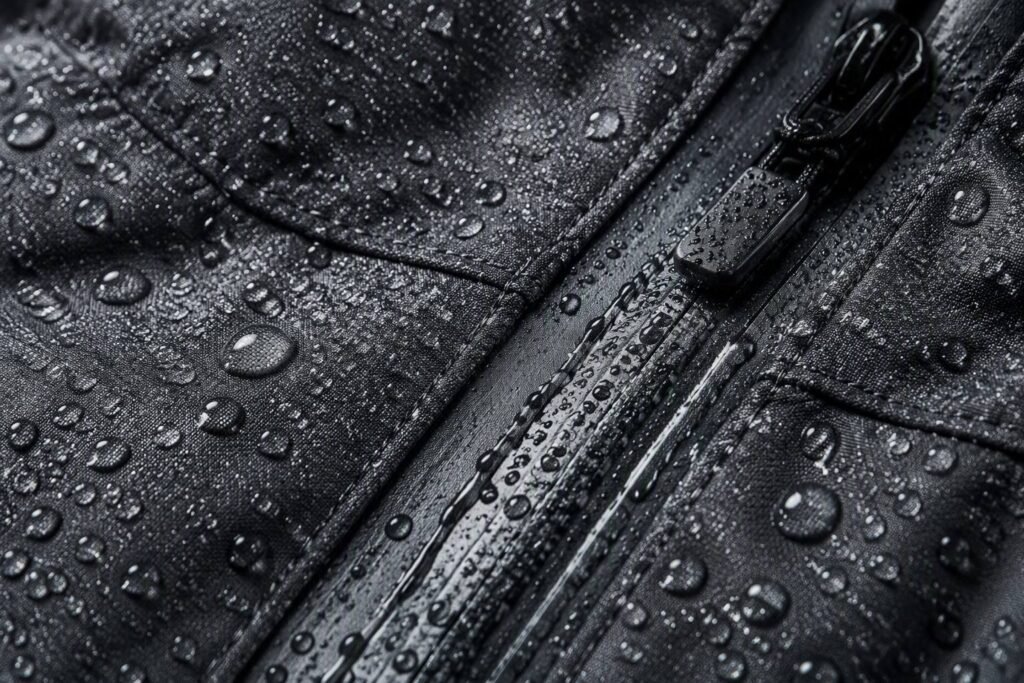
For outdoor brands and private label importers, transitioning a design from a tech-pack to a retail-ready product is a journey of precision. Selecting an OEM partner for tpu outdoor gear—jackets that rely on technical lamination and seam-sealing—requires a transparent production roadmap. This guide outlines the three pillars of successful procurement: MOQs, timelines, and QC.
1. Understanding MOQs for Outdoor Jackets
The MOQ for outdoor jackets is often higher than fashion apparel due to the specialized nature of the materials. Technical fabrics (like waterproof laminates and specialized trims) often require custom dye lots.
- Standard OEM MOQ: Usually 500 to 1,000 pieces per style, depending on fabric availability.
- Fabric-Driven MOQ: If your design requires a custom-developed 3-layer fabric, the minimum may be tied to the fabric mill’s dyeing vat capacity (often 1,000+ meters).
- Small Batch Options: At WildExplores, we offer flexibility by using “running colors” from our internal stock, allowing brands to launch with lower risk.
2. The Sampling Timeline: From Prototype to PP Sample
A common pitfall in production planning is underestimating the sampling timeline. For technical jackets, the process usually involves:
- Proto Sample (2-3 weeks): Focuses on fit and basic construction using available materials.
- Salesman Sample (SMS) (4-6 weeks): Uses correct fabrics and trims for marketing and pre-orders.
- Pre-Production Sample (PPS) (2 weeks): The “Gold Standard” for bulk production, produced right before the cutting stage.
Pro Tip: Start your sampling cycle at least 6 months before your intended launch date to account for fabric lead times and iterative fit adjustments.
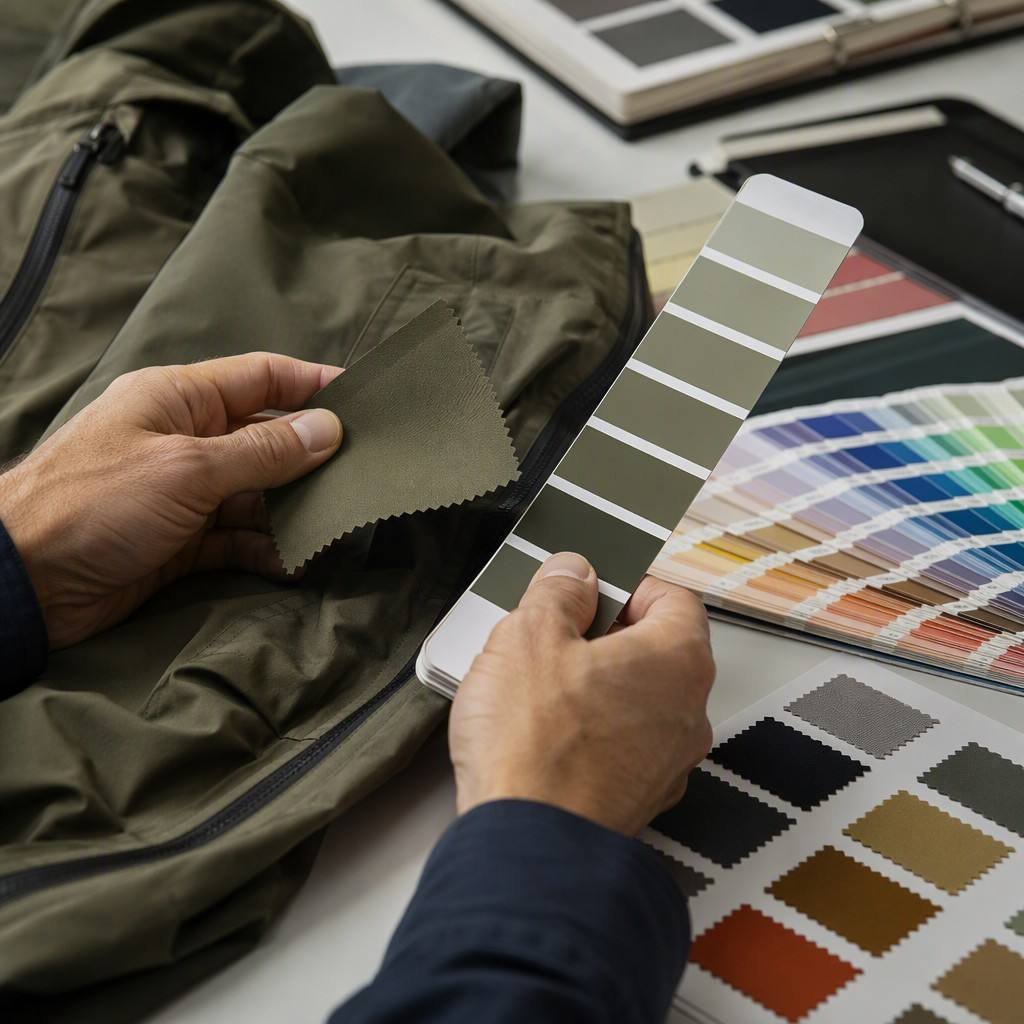
3. Critical Quality Control (QC) in TPU Outdoor Gear
When producing tpu outdoor apparel, the invisible details are the most important. Quality control must happen at every stage, not just at the end.
- Incoming Material Inspection: Testing fabric waterproofness (Hydrostatic Head) and breathability (MVTR) before cutting.
- Seam Sealing Test: For waterproof jackets, every seam must be tested for tape adhesion and leakage using a water pressure machine.
- In-Line Inspection: Checking the tension of zippers, the placement of drawcords, and the alignment of technical logos during the sewing process.
- Final AQL Inspection: A statistical check (usually AQL 2.5) ensuring the shipment meets the agreed-upon workmanship standards.
4. Delivery Cycles and Logistics
A standard bulk production cycle typically takes 60 to 90 days after PPS approval. This includes:
- Fabric weaving and lamination.
- Trims procurement (zippers, snaps, labels).
- Cutting, sewing, and seam-sealing.
- Final testing and packaging.
Partner with WildExplores for Your Next Collection
Streamlining your supply chain starts with a partner who understands the hardcore physics of technical fabrics and the operational rigor of garment assembly. From defining MOQs to managing complex sampling cycles, our team is here to ensure your outdoor brand stays ahead of the curve.