
In the evolution of tpu outdoor gear, the membrane is the single most critical component determining the garment’s performance ceiling. For B2B buyers and product developers, understanding the “hardcore physics” of TPU (Thermoplastic Polyurethane) lamination is the difference between a premium product and a warranty disaster.
This guide breaks down the technical architecture of TPU membranes and the bonding processes that define modern technical outerwear.
1. Polyester vs. Polyether TPU: Selecting the Right Chemistry
Not all TPU is created equal. Depending on the intended application, manufacturers select between two primary chemical categories:
- Polyester-based TPU: Known for superior abrasion resistance, oil resistance, and higher mechanical strength. It is the preferred choice for rugged hardshells and tactical gear.
- Polyether-based TPU: Exceptional for low-temperature flexibility and hydrolysis resistance (protection against moisture-driven breakdown). Essential for high-altitude alpine gear and maritime applications.
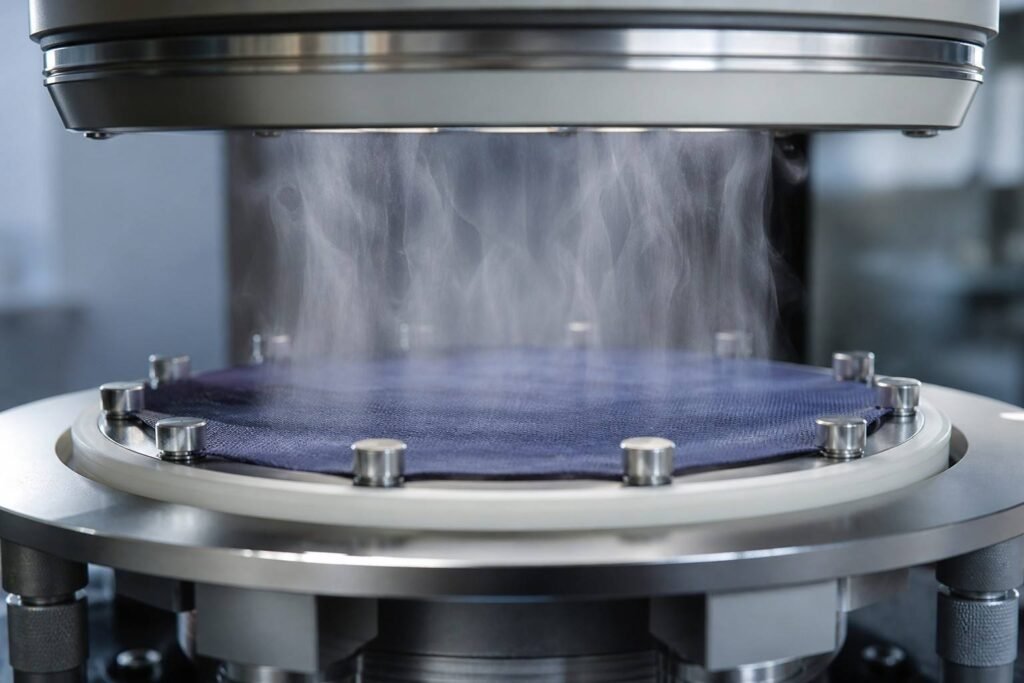
[Featured Image: Micro/cross-section texture of TPU membrane bonding]
2. The Lamination Process: Bonding for Durability
The way a membrane is bonded to the face fabric determines the final hand-feel and durability of the laminate.
Hot-Melt Lamination
Using specialized heat-activated adhesives, this method is solvent-free and environmentally friendly. It provides a robust bond without stiffening the fabric, maintaining the natural drape of 3-layer and 2.5-layer constructions.
Solvent-Based Bonding
While traditional, it is increasingly being phased out in favor of green chemistry. At WildExplores, we prioritize high-precision PUR (Polyurethane Reactive) hot-melt systems to ensure zero delamination risk even after repeated industrial washing.
3. Technical Metrics: Water Column vs. Breathability
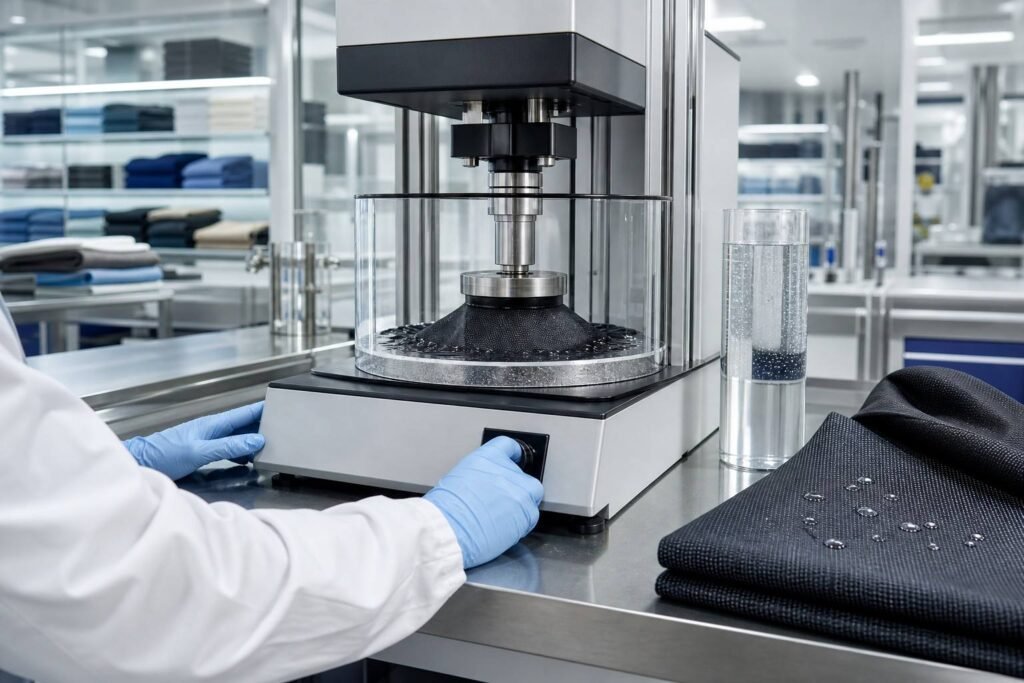
To validate tpu outdoor performance, procurement managers must analyze two key laboratory ratings:
- Hydrostatic Head (Waterproofness): Measured in mm. For professional outdoor gear, a rating of 10,000mm to 20,000mm is required to withstand heavy rain and pressure from pack straps.
- MVTR (Breathability): Measured in g/m²/24h. High-performance membranes should achieve 10,000g to 20,000g+ to ensure the wearer remains dry during high-exertion activities.
4. B2B Sourcing Checklist for TPU Laminates
When evaluating an OEM partner for technical laminates, ensure they provide:
- Third-Party Test Reports: Verifying ASTM or ISO standards for every production lot.
- PFC-Free DWR Compatibility: Ensuring the membrane bonding remains stable when paired with eco-friendly water repellents.
- Seam-Tape Synergy: Confirmation that the TPU film is compatible with industry-standard seam-sealing tapes.