
Choosing the right **OEM outdoor jacket manufacturer** can determine whether a new collection launches smoothly or becomes a cycle of sample revisions, inconsistent quality, and delayed deliveries. For importers, distributors, outdoor brands, and private-label buyers, the lowest quotation is rarely the lowest total cost.
A reliable manufacturing partner should understand how fabric, construction, fit, trims, testing, and production control work together. This guide explains the key areas to evaluate before placing a wholesale or custom outdoor jacket order.
## 1. Define the jacketâs intended use first
A manufacturer cannot recommend the right construction without a clear use case. A lightweight running shell, a fleece-lined softshell, and a 3-in-1 winter jacket require different materials and production methods.
Before requesting a quotation, define:
– Target activity, such as hiking, skiing, workwear, travel, or casual outdoor use
– Expected climate and temperature range
– Required level of rain and wind protection
– Preferred fit and size range
– Target market and retail price position
– Order quantity, colorways, and planned delivery window
The more precise the brief, the easier it is to compare suppliers on equal terms. If the product concept is still flexible, ask the factory to propose two or three material and construction options rather than requesting a single generic âwaterproof jacket.â
## 2. Evaluate fabric and lamination expertise
Outdoor jacket performance begins with the fabric system. The outer fabric, membrane or coating, backing, and finishing treatment must work together. A supplier should be able to explain why a particular textile is suitable for the intended productânot simply send a list of available fabrics.
Important questions include:
– Is the shell polyester, nylon, stretch woven, or another construction?
– Does the product use a coating or laminated membrane?
– How are waterproofness and breathability evaluated?
– What happens to the material after repeated abrasion, flexing, or washing?
– Can color, weight, hand feel, stretch, and surface finish be customized?
– Are technical specifications documented for production approval?
For a deeper explanation of waterproof barriers and lamination, read WildExploresâ guide to [high-performance waterproof outdoor fabrics and TPU film](https://wildexplores.com/the-ultimate-guide-to-high-performance-waterproof-outdoor-fabrics-why-tpu-film-is-the-future/).
A capable supplier should also understand the trade-offs. Increasing waterproof protection, stretch, warmth, or abrasion resistance can affect weight, breathability, feel, and cost. Clear technical discussion at this stage helps prevent unrealistic specifications and unnecessary sampling rounds.
## 3. Check whether customization goes beyond adding a logo
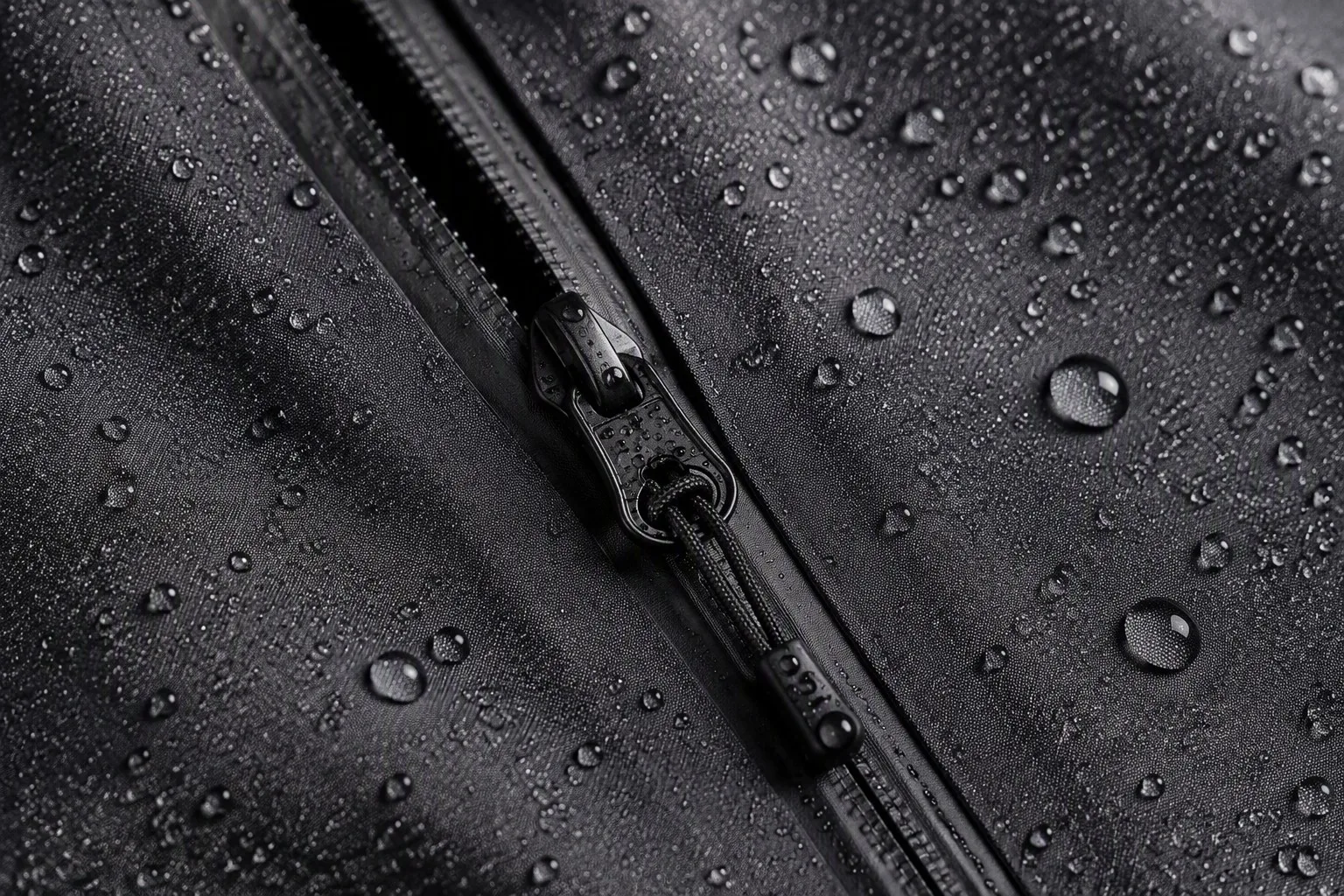
True OEM and ODM service should cover more than changing a label or printing a logo on an existing style. Depending on the project, customization may include:
– Shell fabric and lining selection
– Color matching
– Pattern and fit adjustments
– Hood shape and adjusters
– Pocket placement and construction
– Zippers, snaps, cords, and other trims
– Embroidery, screen printing, heat transfer, or patches
– Main labels, care labels, hangtags, and packaging
– Detachable layers for interchange or 3-in-1 jackets
Ask which elements can be changed at the proposed order quantity. Some modifications require new patterns, specialized trims, or material minimums. These requirements should be discussed before the first sample is made.
Buyers developing versatile winter outerwear can review this [customized 3-in-1 waterproof jacket](https://wildexplores.com/product/customized-outdoor-3-in-1-winter-jacket-detachable-jacket-hiking-waterproof-breathable-warm-hooded-snowboard-clothing/) as a reference for detachable-layer construction.
## 4. Use sampling to test the working relationship
The sample stage is not only for checking the garment. It is also a practical test of the manufacturerâs communication, technical understanding, and attention to detail.
A useful sample review should cover:
1. Measurements against the approved size specification
2. Fit, mobility, and layering allowance
3. Fabric color, weight, stretch, and hand feel
4. Stitching, seam appearance, and reinforcement
5. Zipper and trim function
6. Pocket access and usability
7. Hood, cuff, and hem adjustment
8. Logo placement and label accuracy
9. Overall workmanship and packaging presentation
Record every comment in one structured sample report. Use photos, measurement tables, and clear revision notes. Avoid splitting feedback across multiple chat messages, because fragmented instructions increase the chance of missed changes.
Before bulk production, request a final approval sample made with the confirmed materials, colors, trims, labels, and construction details.
## 5. Review quality-control procedures
Quality should be controlled throughout production rather than checked only after the order is complete. Ask the manufacturer how it manages incoming materials, cutting, sewing, finishing, inspection, and packing.
A practical quality-control process may include:
– Verification of fabric, color, and trims before cutting
– Fabric inspection for visible defects
– Cutting checks and bundle control
– In-line sewing inspection
– Measurement checks during production
– Functional checks for zippers, snaps, cords, and adjusters
– Final appearance and workmanship inspection
– Packaging, carton marking, and quantity verification
For technical jackets, discuss any required performance tests before confirming the order. The test method, sample selection, pass criteria, and responsible party should be written into the specification or purchase agreement.
WildExplores discusses abrasion resistance, puncture strength, lot-to-lot consistency, and technical documentation in [Engineering Resilience: The Hardcore Physics of Technical Fabrics](https://wildexplores.com/engineering-resilience-the-hardcore-physics-of-wildexplores-technical-fabrics/).
## 6. Compare quotations on the same specification
Two quotations are not comparable if they are based on different materials, trims, packaging, or inspection requirements. Ask each potential supplier to quote against the same product brief.
Confirm whether the price includes:
– Approved shell fabric, membrane, lining, and insulation
– Branded or standard zippers and trims
– Logo application
– Labels and hangtags
– Individual packaging
– Testing or third-party inspection
– Sample charges
– Tooling, pattern, or setup costs
– Carton specifications
Also confirm the quotationâs validity period and the production terms. A lower unit price may become more expensive when essential items are added later.
## 7. Verify capacity and production planning
A supplierâs capacity should match both the initial order and the buyerâs growth plan. Ask how the factory schedules sampling, material preparation, cutting, sewing, inspection, and packing.
Useful questions include:
– What information is required before production can be scheduled?
– Which materials have longer preparation times?
– How are peak-season orders managed?
– Can repeat orders use the same approved specifications?
– How does the factory control consistency across different production lots?
– What happens if a material or trim becomes unavailable?
Do not rely only on a general lead-time promise. Request a production timeline with defined milestones, then confirm which changes would restart or extend that timeline.
## 8. Assess communication and documentation
Clear communication reduces risk in international manufacturing. A dependable supplier should summarize decisions, identify unresolved points, and maintain controlled versions of specifications.
Before placing an order, confirm that both sides have approved:
– Product specification sheet
– Measurement chart and grading rules
– Bill of materials
– Color references
– Artwork and logo placement
– Construction details
– Testing requirements
– Packaging instructions
– Quantity breakdown by size and color
– Production and shipping milestones
Written documentation is especially important when developing multiple colors or styles. It creates a shared reference for the buyer, merchandiser, sample room, production team, and quality inspectors.
## 9. Look for a partner suited to your product category
A factory that mainly produces fashion tops may not be the best choice for waterproof, softshell, or interchange jackets. Category experience matters because technical outerwear combines specialized fabrics with functional construction and detailed fit requirements.
WildExplores is a Shaoxing-based outdoor jacket manufacturer serving wholesale and OEM/ODM buyers. Its product range includes windbreakers, softshell jackets, waterproof outerwear, and 3-in-1 jackets. Buyers exploring fleece-backed outerwear can view this [custom waterproof softshell jacket](https://wildexplores.com/product/custom-waterproof-outdoor-casual-zipper-fleece-sportswear-breathable-functional-windbreaker-soft-shell-stand-neck-jacket-for-men/), while private-label programs may use this [custom-logo lightweight softshell jacket](https://wildexplores.com/product/customized-logo-mens-lightweight-softshell-jacket-fleece-lined-waterproof-tactical-soft-shell-rain-coats-windbreaker-outdoor/) as a starting reference.
## A concise supplier evaluation checklist
Before selecting an outdoor jacket factory, confirm that the supplier can provide:
– Relevant technical outerwear experience
– Clear fabric and construction recommendations
– Customization aligned with your order quantity
– A structured sampling and approval process
– Documented quality-control procedures
– A complete, comparable quotation
– Realistic production planning
– Consistent specifications and communication
– References or examples relevant to your target product
## Frequently asked questions
### What is the difference between OEM and ODM outdoor jackets?
With OEM production, the buyer normally provides the product concept, specifications, or design, and the manufacturer produces the jacket to those requirements. With ODM service, the manufacturer may also provide existing designs or development support that the buyer can adapt for its market. The exact scope should be confirmed with each supplier.
### What information should I send when requesting a jacket quotation?
Send reference images or drawings, intended use, fabric requirements, size range, colors, logo method, estimated quantity, packaging needs, target delivery window, and destination market. A measurement chart or existing sample will make the quotation more accurate.
### How should I evaluate a waterproof jacket sample?
Check fit, measurements, mobility, fabric, seam construction, hood coverage, cuff and hem adjustment, pocket function, zipper operation, logo placement, labels, and overall workmanship. If performance testing is required, agree on the method and pass criteria before bulk production.
### Can an outdoor jacket manufacturer customize small details?
Many details can be customized, but availability depends on order quantity, material minimums, tooling, and development cost. Ask the supplier to identify which changes are feasible at your planned volume before sampling.
### Why is the cheapest outdoor jacket quotation not always the best choice?
A low quotation may exclude specific fabrics, trims, testing, packaging, inspection, or development costs. Compare quotations against the same approved specification and evaluate the total cost of quality, revisions, delays, and communicationânot only the unit price.
## Start your custom outdoor jacket project
The best manufacturing results begin with a clear brief and a technically capable partner. If you are sourcing wholesale windbreakers, softshell jackets, waterproof outerwear, or 3-in-1 jackets, WildExplores can review your product requirements and discuss suitable OEM/ODM options.
[Contact WildExplores](https://wildexplores.com/contact/) to request product information, discuss customization, or begin a sample evaluation.